
Updated August 6, 2026
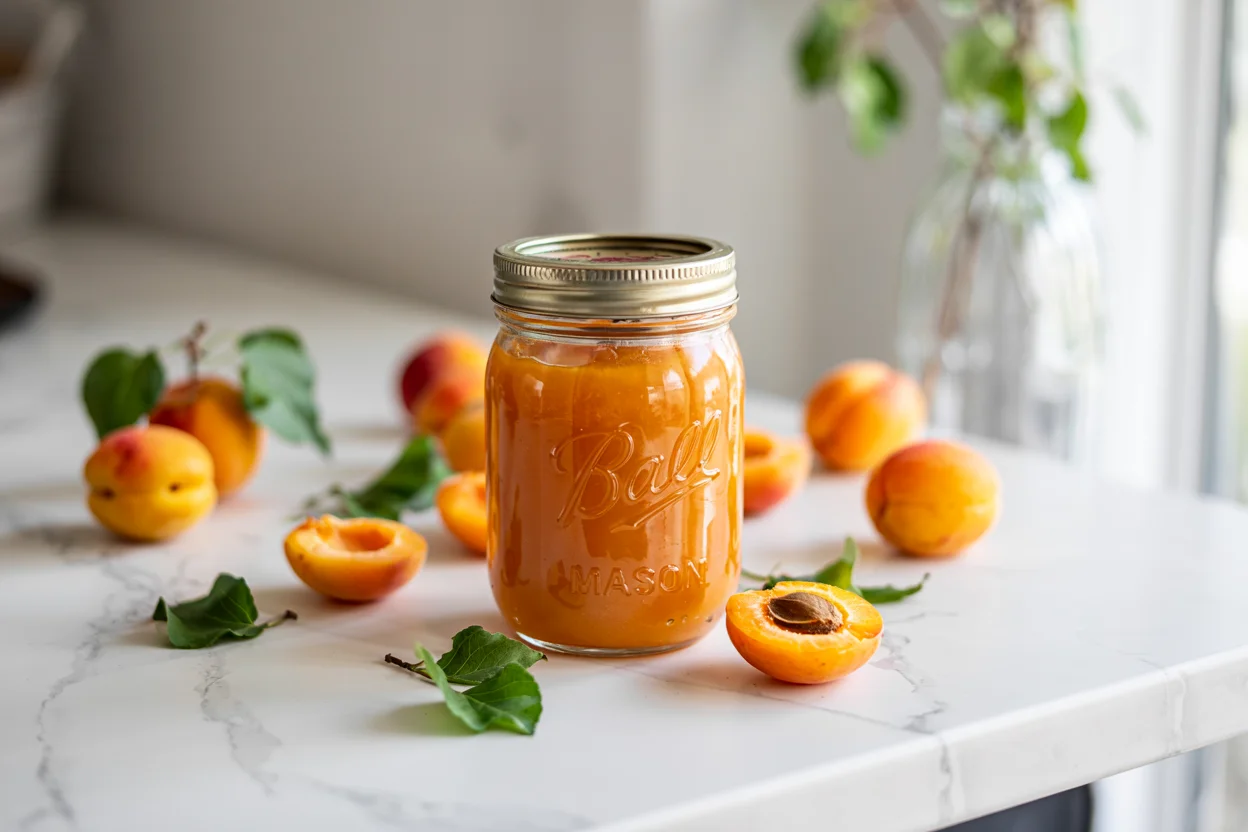
This apricot puree recipe combines fresh apricots with sugar, honey, and optional almond extract. The apricots are gently cooked until soft, then blended into a smooth fruit puree for oatmeal, yogurt, pancakes, desserts, and baking.
Below, you’ll learn how to make apricot puree, adjust its texture, use it in different recipes, and store or freeze it for later.
Equipment for Making Apricot Puree
You will need a medium saucepan and a blender or food processor. A fine-mesh strainer is optional for a smoother puree, while an airtight container or ice cube tray is useful for storage and freezing.
Apricot Puree Ingredients
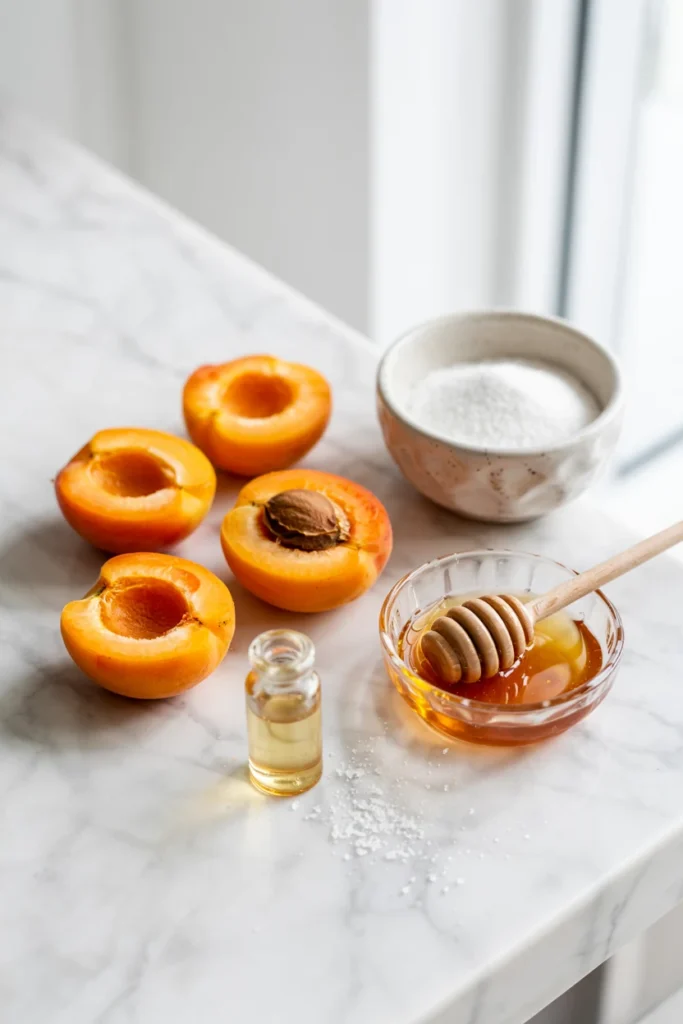
This fresh apricot puree recipe uses four ingredients:
- 1¼ pounds ripe apricots (6 to 8): halved and pitted
- 2 tablespoons granulated sugar
- 2 to 3 tablespoons mild honey: plus more to taste if needed
- ⅛ teaspoon almond extract (optional)
How to Make Apricot Puree
Follow these simple steps to cook fresh apricots and blend them into a smooth puree.
1. Prep the Apricots
Wash the apricots, cut them in half, and remove the pits. You can leave the skins on, as they soften during cooking. Peel the apricots if you prefer a finer texture.
2. Simmer Gently
Place the apricots in a medium saucepan with the sugar, honey, and optional almond extract. Cook over medium-low heat for about 10 minutes, stirring occasionally, until the apricots are very soft and have released their juices.
3. Blend Until Smooth
Allow the mixture to cool for a few minutes, then transfer it to a blender or food processor. Blend until smooth. For a finer texture, pass the puree through a fine-mesh strainer.
4. Taste and Adjust
Taste the puree and adjust the sweetness or almond flavor if needed. Add any extra honey or almond extract gradually, blending after each addition.
5. Cool and Store
Transfer the finished puree to a clean glass jar or airtight container. Let it cool completely before sealing and refrigerating it.
Ways to Use Apricot Puree
Apricot puree can be used in breakfasts, smoothies, toppings, desserts, and baked goods.

- Oatmeal and yogurt: Stir in a spoonful for added fruit flavor and sweetness. For another fruit-based breakfast, try these peach cobbler overnight oats.
- Pancakes and desserts: Spoon the puree over pancakes, waffles, cheesecake, or ice cream.
- Smoothies: Blend fresh or frozen apricot puree into smoothies for fruit flavor and sweetness.
- Baking and desserts: Use the puree in cake fillings, parfaits, sauces, glazes, or fruit-based desserts.
For more homemade fruit purees, try this blackberry puree or this cranberry puree.
How to Store and Freeze Apricot Puree
Cool the apricot puree briefly, then transfer it to a clean, airtight container and refrigerate it within two hours.
Storage and Freezing Tips
Refrigerate: Store the puree in an airtight container in the refrigerator for up to 3 to 4 days. Stir before serving if the puree separates.
Freeze: Divide the puree among ice cube trays or small freezer-safe containers. Leave a little room for expansion, then freeze for up to 3 months for best quality.
Label and thaw: Label the container with the date. Thaw frozen apricot puree in the refrigerator and stir before using.
For more guidance on freezing fruit puree, see the University of Minnesota Extension’s guide to freezing fruit.
Apricot Puree FAQs
Apricot puree can be stirred into oatmeal or yogurt, served over pancakes and waffles, blended into smoothies, or used in desserts, sauces, fillings, and baked goods.
To make fresh apricot puree, wash, halve, and pit the apricots. Cook them with the sugar, honey, and optional almond extract until very soft, then blend until smooth. Strain the puree if you prefer a finer texture.
Yes, but dried apricots must be rehydrated before blending. Because they require different liquid and sweetness adjustments, use a recipe developed specifically for dried apricots rather than substituting them directly in this fresh apricot puree recipe.
No. Apricot skins soften during cooking and can be blended into the puree. Peel the fruit or strain the finished puree if you prefer a finer texture.
Yes. Freeze apricot puree in small airtight containers or ice cube trays, leaving room for expansion. If using ice cube trays, transfer the frozen portions to a freezer-safe container and use them within 3 months for best quality.
Apricot Puree Recipe with Fresh Apricots
- Total Time: 20 minutes
- Yield: Makes about 1½ cups 1x
Description
This apricot puree recipe combines fresh apricots with sugar, honey, and optional almond extract. Blend it until smooth and serve it with oatmeal, yogurt, pancakes, desserts, or baked goods.
Ingredients
1¼ pounds ripe apricots (6 to 8), halved and pitted
2 tablespoons granulated sugar
2 to 3 tablespoons mild honey, plus more to taste if needed
⅛ teaspoon almond extract, optional
Instructions
1. Wash the apricots, cut them in half, and remove the pits. Leave the skins on, or peel the apricots if you prefer a finer texture.
2. Place the apricots in a medium saucepan with the sugar, honey, and optional almond extract. Cook over medium-low heat for about 10 minutes, stirring occasionally, until the apricots are very soft and have released their juices.
3. Let the mixture cool for a few minutes, then transfer it to a blender or food processor. Blend until smooth. For a finer texture, pass the puree through a fine-mesh strainer.
4. Taste the puree and adjust the sweetness or almond flavor if needed. Add any extra honey or almond extract gradually, blending after each addition.
5. Transfer the puree to a clean glass jar or airtight container. Let it cool briefly, then cover and refrigerate.
Notes
Storage: Refrigerate the cooled apricot puree in an airtight container for 3 to 4 days. Freeze it in small freezer-safe containers or ice cube trays for up to 3 months. Thaw in the refrigerator and stir before using.
Nutrition information is an estimate based on 12 servings and 2 tablespoons of honey. Additional honey is not included.
- Category: Sauce
- Method: Stovetop and Blending
Nutrition
- Serving Size: 2 tablespoons
- Calories: 40
- Sugar: 9 g
- Carbohydrates: 10 g
- Fiber: 1 g